
Watch without changing the scene
Cades Cove Wildlife
The valley is one of the Smokies’ best places to watch wild animals, but no sighting is scheduled. Arrive with patience, use the pullouts and give every animal enough room to keep behaving naturally.
The field rule
If your presence changes the animal, back away
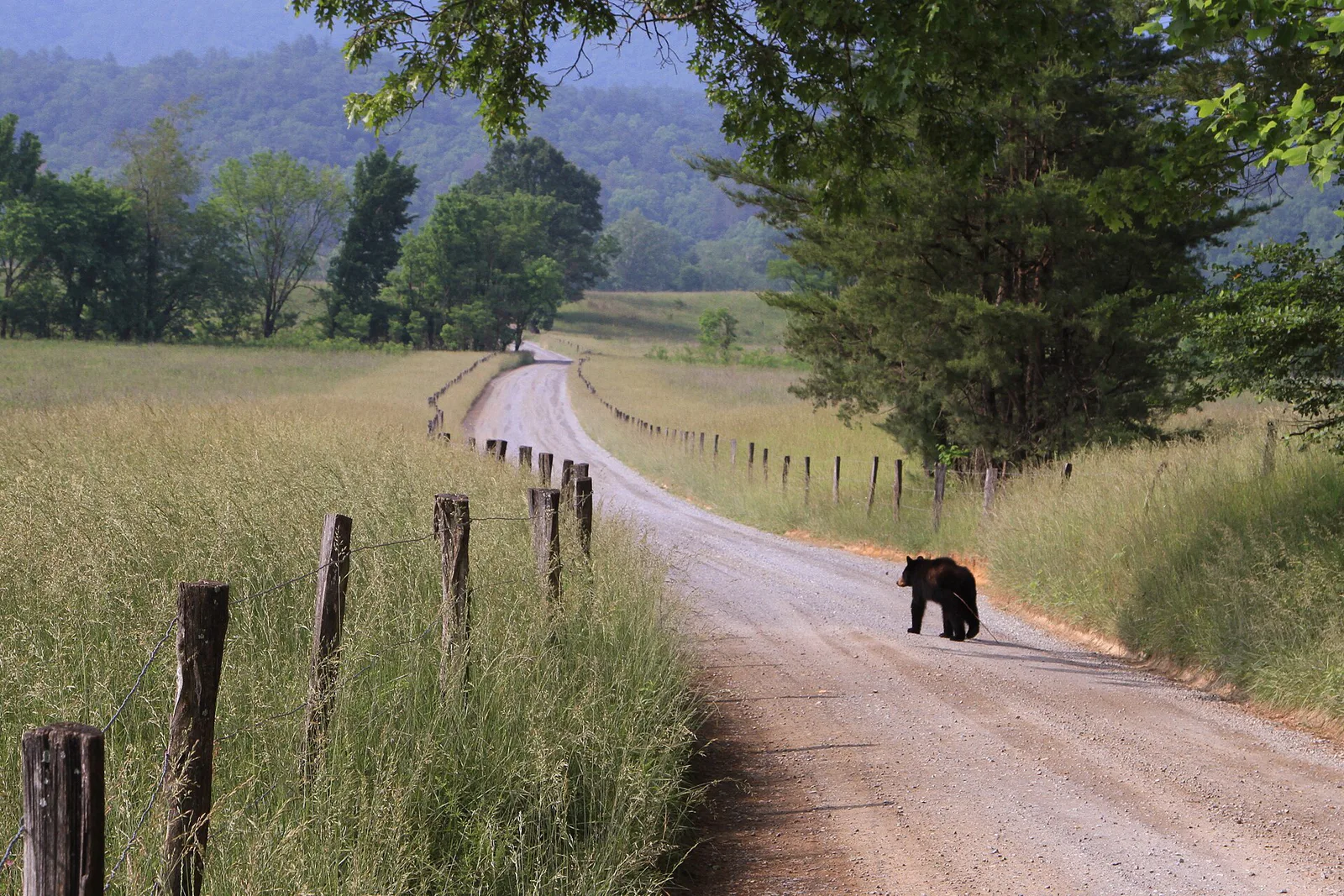
A bear crossing a distant meadow is a wildlife sighting. A bear surrounded by stopped cars and people edging closer is a wildlife jam. The difference matters. Use a long lens or binoculars, stay behind barriers, and leave the animal an open route. When wildlife is beside the Loop Road, the safest and least disruptive place to watch is usually inside the vehicle.
National Park Service guidance says to stay at least 50 yards from bears and 25 yards from elk, or farther from either if your presence changes its behavior. Give every other animal room as well. If one changes direction, stops feeding or watches you closely, back away.
What lives here
Animals visitors may see in Cades Cove
These are possibilities, not promises. Season, temperature, traffic and simple chance can change what the valley reveals.
Black bears
The animal most visitors hope to see—and the one that demands the most room. Watch from inside the vehicle when a bear is near the road. Never feed, follow or crowd one.
White-tailed deer
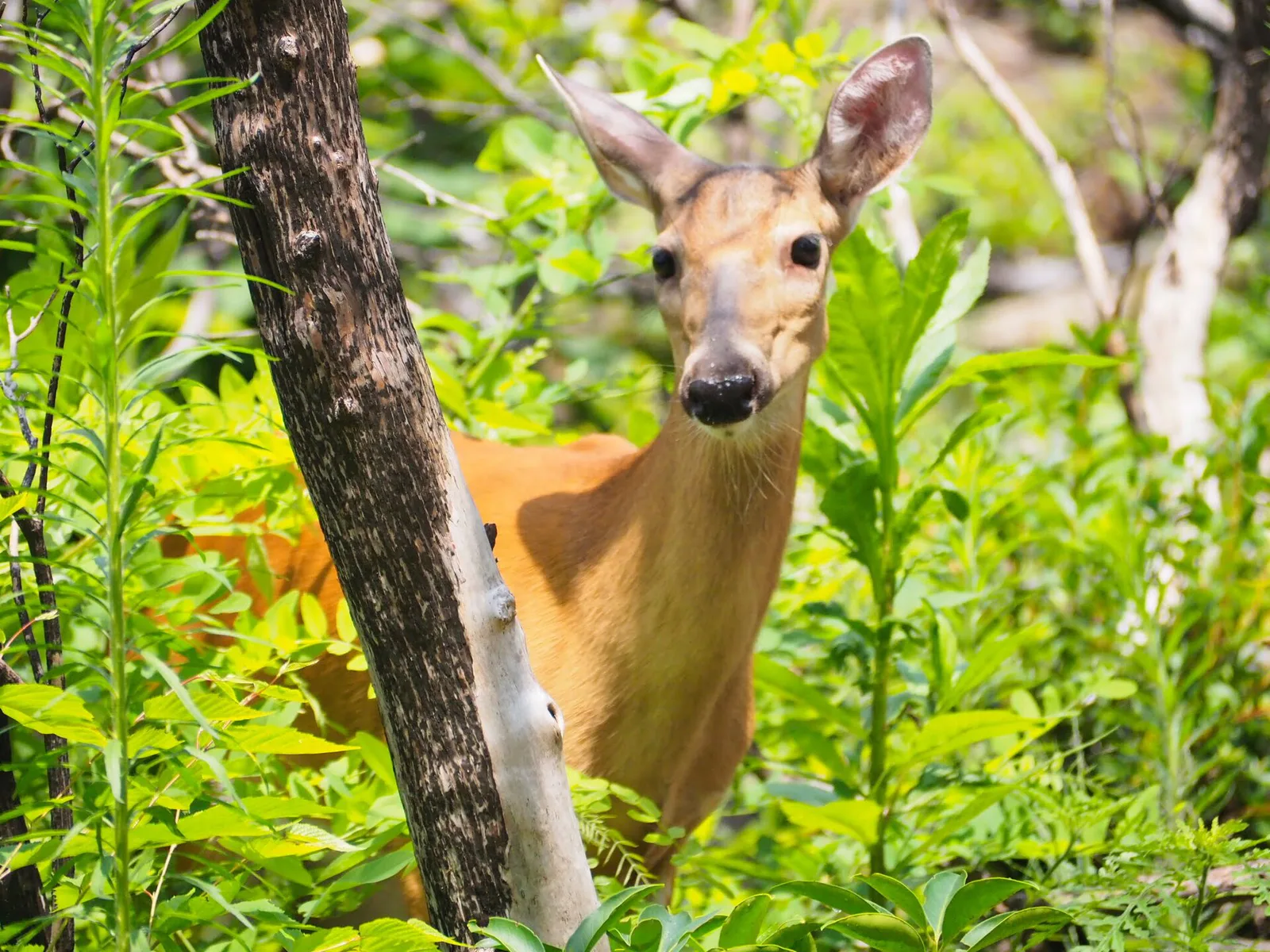
Look along meadow edges early and late in the day. A deer that lifts its head, fixes its attention on you or begins to move away is telling you the distance is too close.
Wild turkey
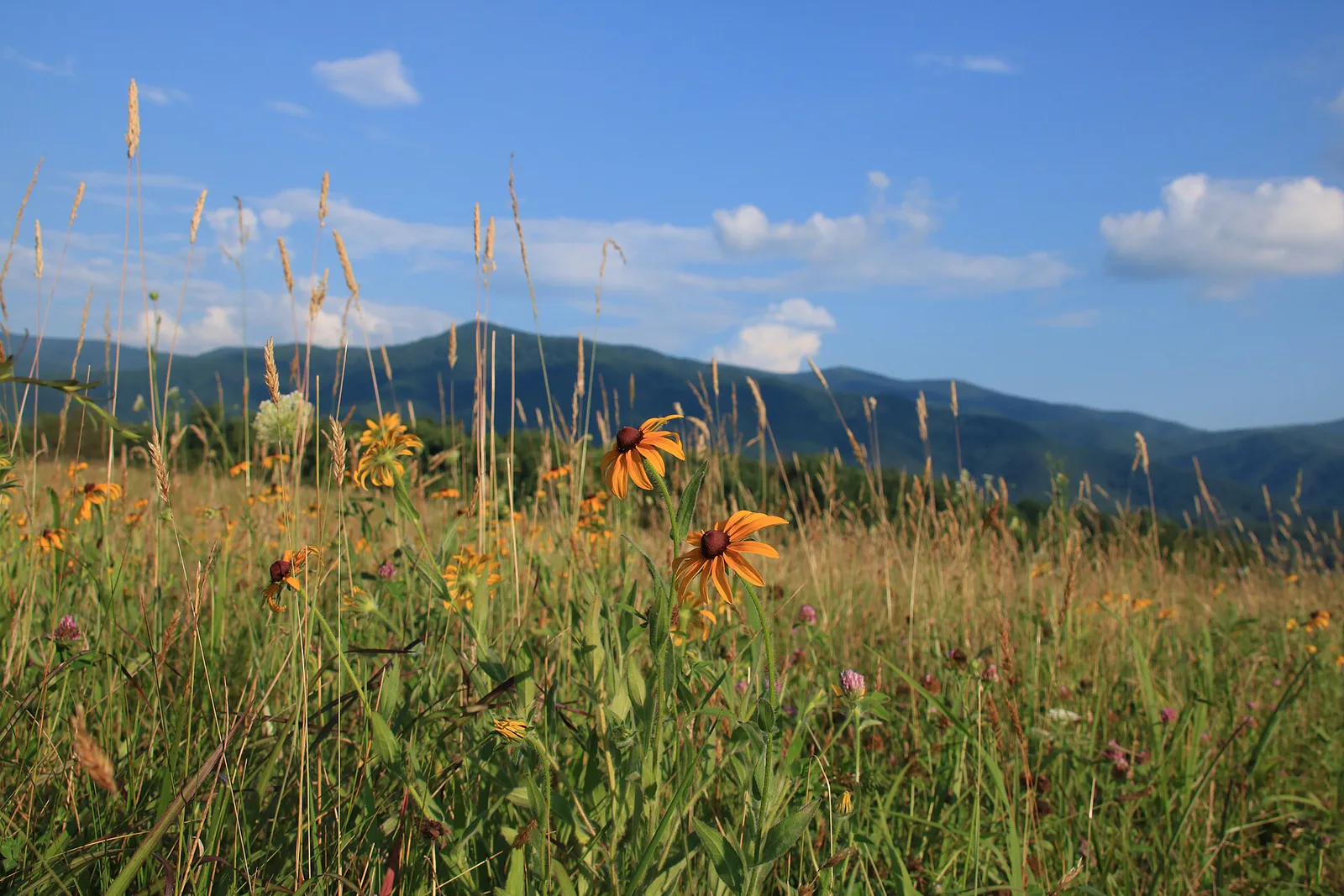
Open fields and woodland margins are dependable turkey habitat. Spring gobbling and autumn flocks are memorable, but sightings still depend on season, weather and luck.
Coyotes
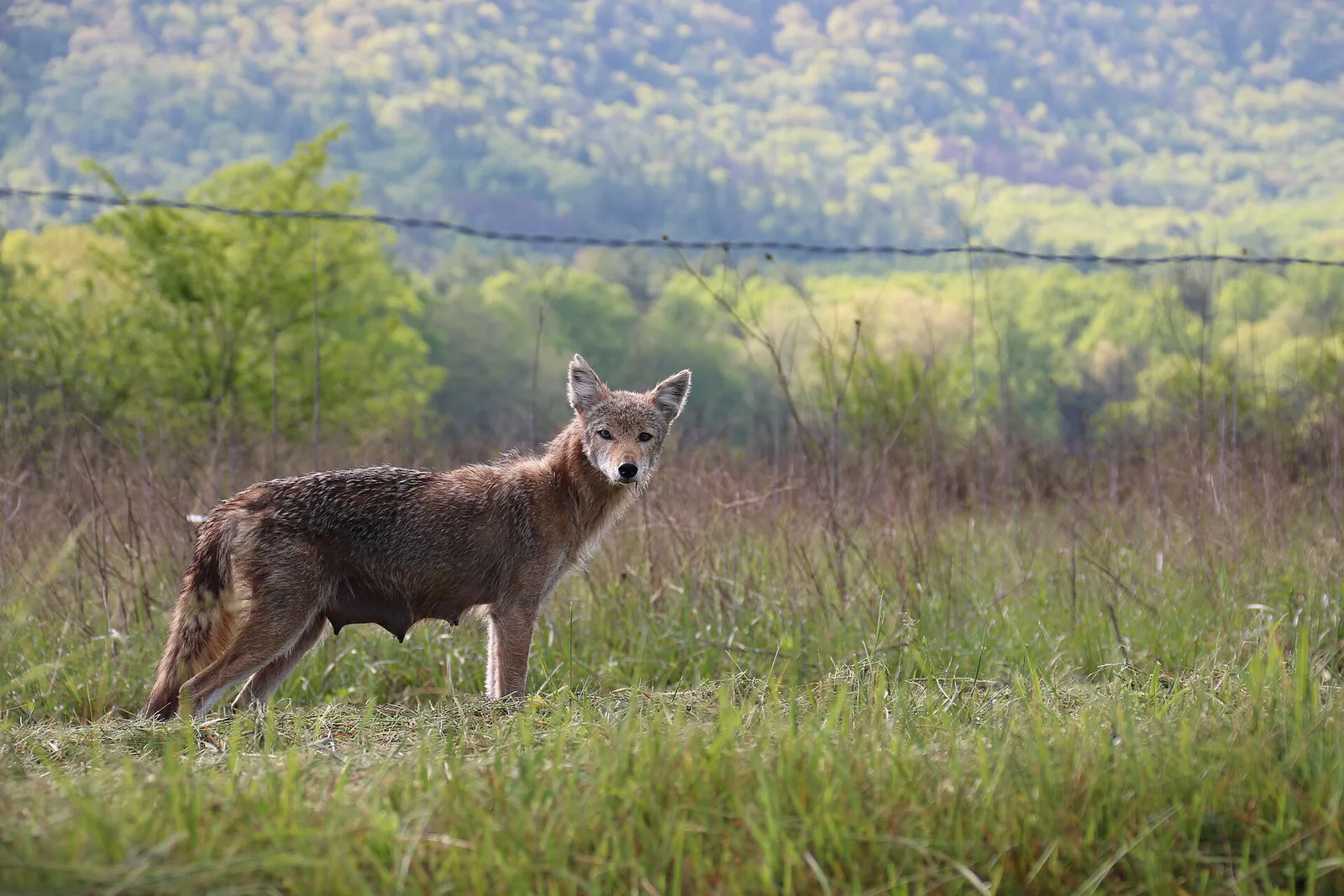
Coyotes are often noticed at the quiet edges of the day. They are wild, wary animals—not dogs—and should never be called, baited or approached.
Birdlife
The valley, streams, farm fields and forest edge support a changing cast of songbirds, raptors and woodpeckers. Bring binoculars and listen before stepping away from a pullout.
Smaller mammals
Groundhogs, squirrels, raccoons and other small mammals reward visitors who slow down. They are easiest to notice when the road is quiet and the group is quieter.
Read the landscape
Where and when to look
Meadow edges
Scan the meeting line between open grass and woods rather than staring only into the center of a field. Deer, turkeys, bears and coyotes often move along cover.
Sparks and Hyatt lanes
The broad views from the valley crossroads make them useful places to look—when the road is open and a legal pullout is available. Never block a lane or walk into a closed field.
Quiet hours
Dawn and the final hours before sunset often offer softer light and more animal movement. They also require a realistic plan for opening times, traffic and remaining daylight.
There is no honest “guaranteed bear spot.” Repeatedly circling, baiting animals or leaving the road to close the distance harms the very experience visitors came to find.
Black bear country
Know what to do before a bear appears
- Never approach, feed or allow a bear to obtain human food.
- Near the road, remain in the vehicle and keep traffic moving until a paved pullout is available.
- On foot, keep at least 50 yards away and increase the distance if the bear notices or reacts to you.
- If a bear persistently approaches or follows, do not run. Follow current National Park Service bear-safety guidance.
- Keep children close and pets out of situations that can trigger defensive behavior.
- Report aggressive behavior or food-conditioned bears to park staff.
A better way to remember the cove
Let the sighting stay wild
The best wildlife moment is rarely the closest one. It is the bear that keeps feeding because nobody crowds it, the turkey call heard before the bird steps into view, or the deer still at ease when the car moves on. Take the photograph if it comes. Do not manufacture it.