
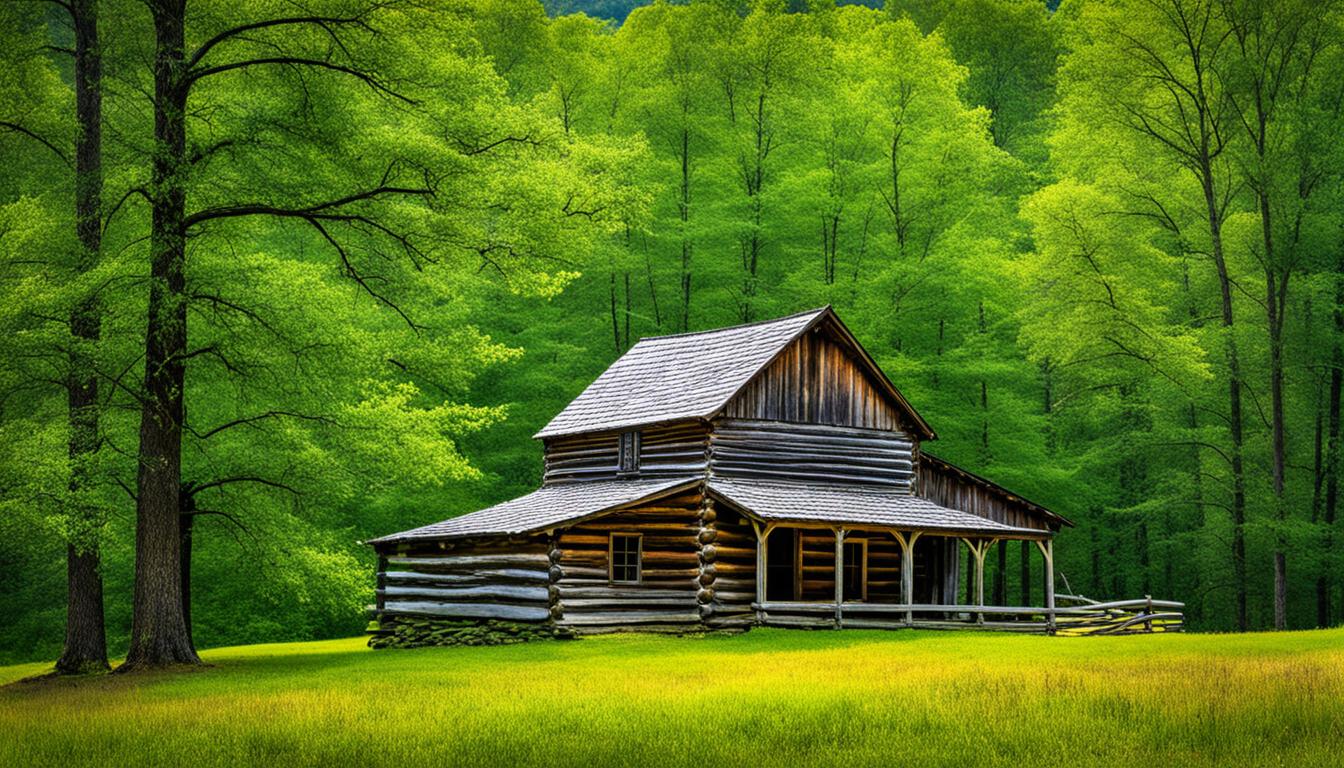
Cades Cove is easier to photograph when you stop chasing a list of “secret” spots. The one-way road gives you open fields, old buildings and long views, but the light, traffic and weather decide which will work on a given day. Pick two subjects, then leave room to stop when the cove offers something better.
Before you take out the camera
The 11-mile Loop Road normally opens at sunrise and closes at sunset. Allow at least two to four hours for the drive, longer if you intend to wait for light or take a trail. Stop only where your vehicle fits completely in a designated pullout or parking area; never block the travel lane for a photograph. Save the Loop Road map before entering and check current park conditions that morning.
Five worthwhile photo choices
1. Open fields and the mountain rim
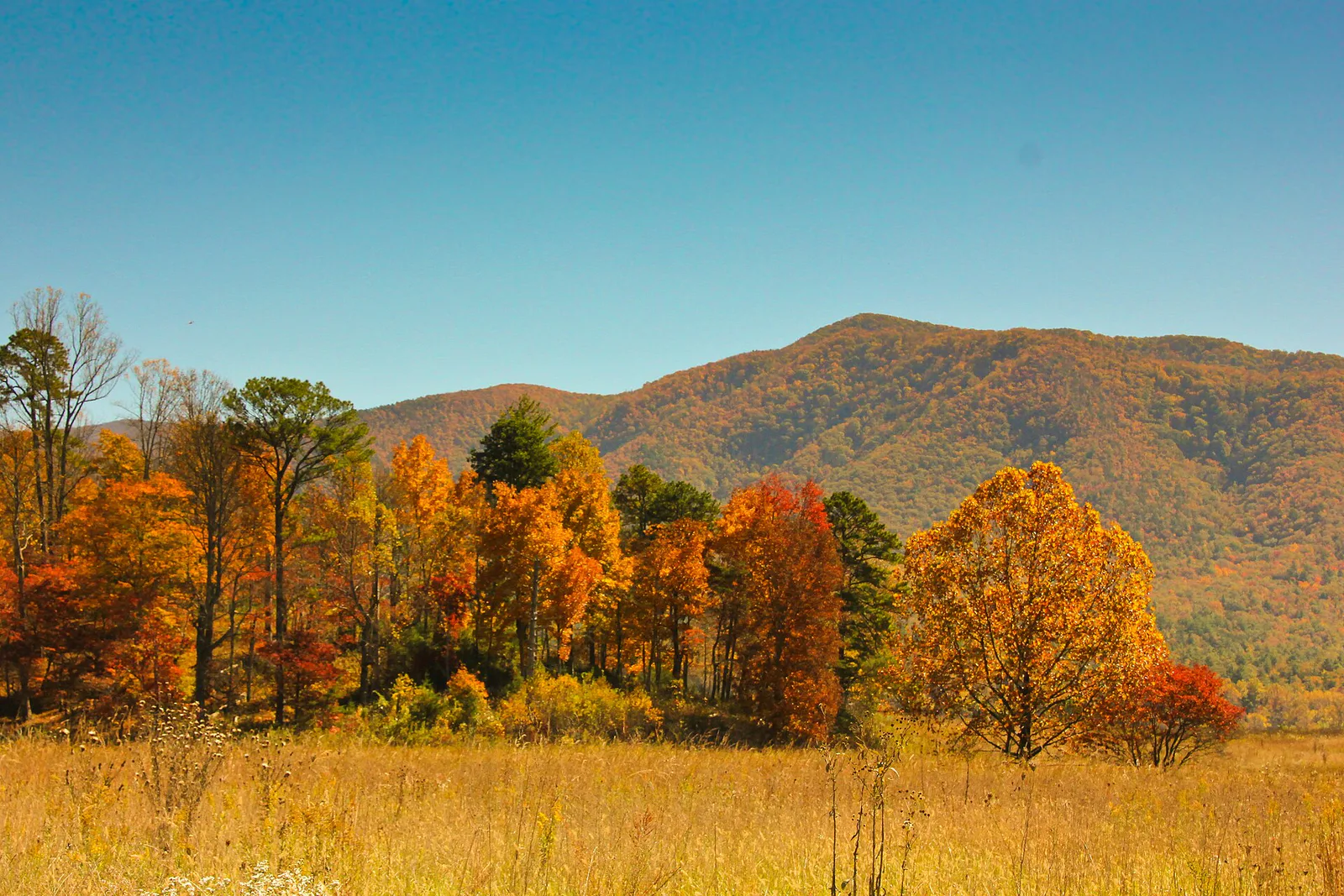
For a picture that says Cades Cove without needing a landmark, use a marked pullout beside the meadows. Let the field lead toward the wooded ridges. Cloud shadow often does more for this scene than a clear sky. Stay out of closed fields and watch where the light falls before setting up.
2. Sparks Lane and Hyatt Lane
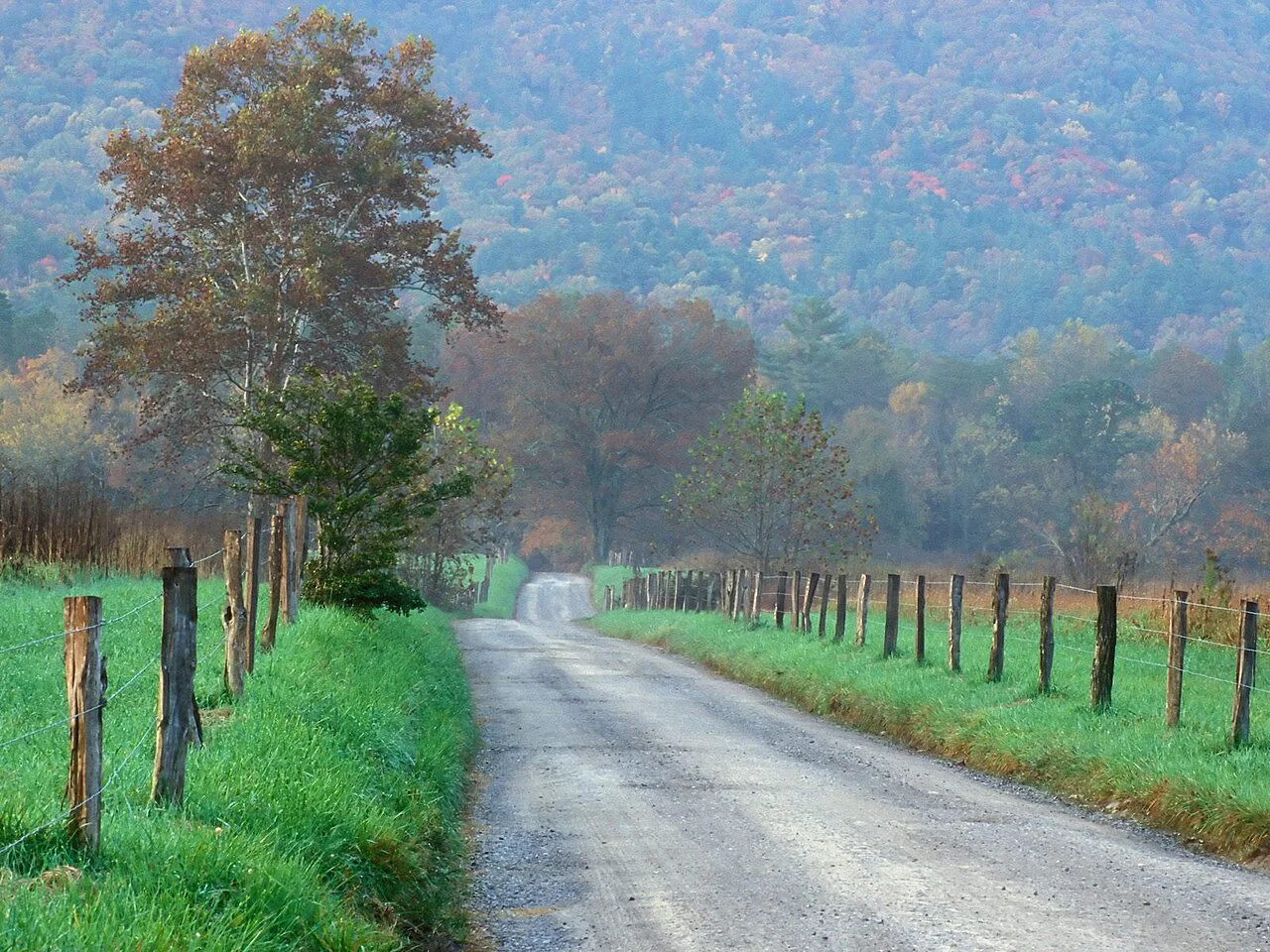
These cross roads give the camera a different kind of line: fences and a narrow lane running into the valley. Surfaces and traffic patterns vary, so follow posted signs and never stand in the road for a composition. If the lane is busy, make the picture from a safe place or move on. Morning mist can be beautiful here, but it is a possibility, not a promise.
3. John Oliver Cabin and the churchyards
Old buildings make stronger subjects when you give them some of their surroundings. At John Oliver Cabin, leave space for the trees and slope instead of filling the frame with logs. The three churches offer different rooflines, windows and graveyards. Use signed parking and paths, keep clear of other visitors, and follow any building closure. Our driving-order guide shows where each stop falls.
4. Cable Mill and the visitor-center area
This is a useful midday stop because you can work with details rather than waiting for a sweeping landscape. Look at the mill wheel, weathered wood, rails and paths between buildings. Operation of the mill is seasonal; ask park staff if seeing it run matters to your visit. This area is roughly halfway around the one-way road, not at its entrance.
5. Wildlife—only when the animal gives you the chance
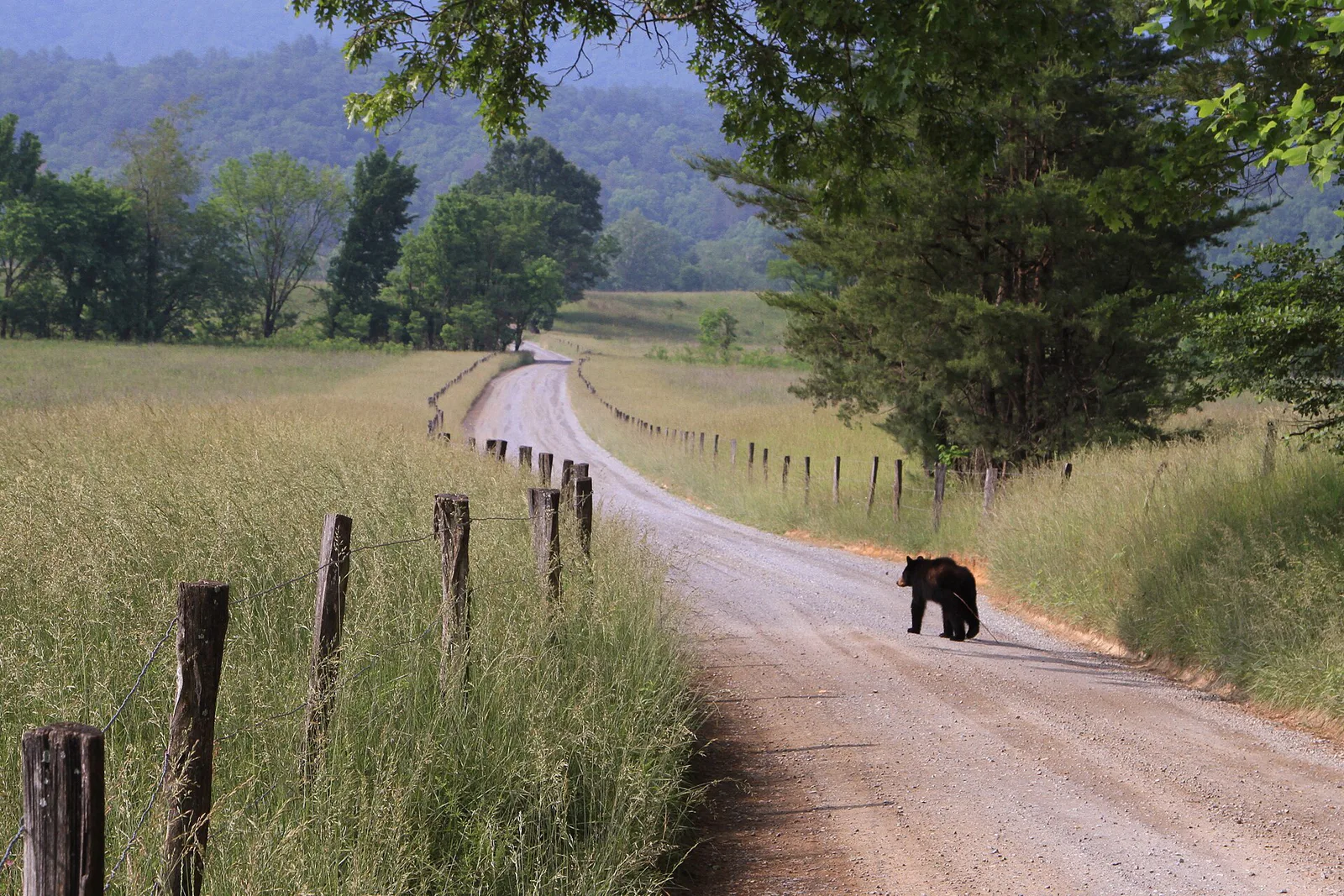
A bear or deer is not a scheduled photo stop. If wildlife appears near the road, stay in the vehicle unless you can use a legal pullout and keep the required distance. Never stop in the traffic lane or enter a field to get closer. A long lens and patience will make a better photograph than an animal pushed into moving away. NPS requires at least 50 yards from bears and 25 yards from elk anywhere in the park, or more if your presence changes an animal’s behavior. Elk are not a normal Cades Cove subject; the park’s principal elk-viewing areas are on the North Carolina side.
Sunrise, sunset and the light between
Do not plan a setup that requires driving in before the road opens or leaving after it closes. The best light may fall on a meadow or a cabin at different times as the sun moves behind the ridges. At sunrise, allow for the time it takes to reach the first legal stop after opening. Near sunset, leave enough time to finish the one-way circuit. On an overcast day, try building details, forest edges and quiet color instead of waiting for a glowing sky.
For a longer walk, Abrams Falls is a separate hike rather than a quick roadside photo. Give it its own time and safety plan. For the rest of the day, use our offline maps, trail comparison and wildlife guide.
Checked October 12, 2026. Operating rules and wildlife distances: NPS Cades Cove guide and NPS wildlife-viewing rules. Check current conditions before travel.