
The valley before the scenic drive
Cades Cove History
Cades Cove is not a museum assembled beside a road. It is a homeland, a former farming community and a preserved landscape whose buildings make more sense when the people and choices behind them are kept in view.
A useful chronology
Four chapters that shaped Cades Cove
Cherokee homeland and hunting ground
Cherokee people knew and used the valley and surrounding mountains long before Euro-American families arrived. The National Park Service describes the cove as part of Cherokee homeland and notes travel through the valley for hunting.
Settlement and rapid growth
Euro-American settlers began moving into the cove in the early 1820s. By 1850, the population had reached 685, supported by farms, mills, churches, schools and extended family networks.
A community divided by war
East Tennessee’s loyalties were complicated, and Cades Cove was largely Unionist. The war brought threats, raids, violence and loss into a valley that could not stand apart from the conflict.
National park and preserved landscape
Land acquisition for Great Smoky Mountains National Park changed the community permanently. Some residents received life leases; over time, homes, churches, fields and roads became part of the park’s historic landscape.
Before the cabins
Begin with Cherokee history
Any history that starts with the first white settlers starts too late. The cove lies within the ancestral homeland of the Cherokee, whose knowledge, travel and hunting connected this valley to a much larger mountain landscape. The name often rendered as Tsiyahi is associated with the broader area, but modern retellings sometimes state more than the documentary record can support.
The responsible approach is simple: acknowledge the homeland, distinguish documented history from later interpretation and avoid turning a living people into a prologue for someone else’s story.
Work, worship and neighbors
A working community, not a collection of cabins
Farms and fields
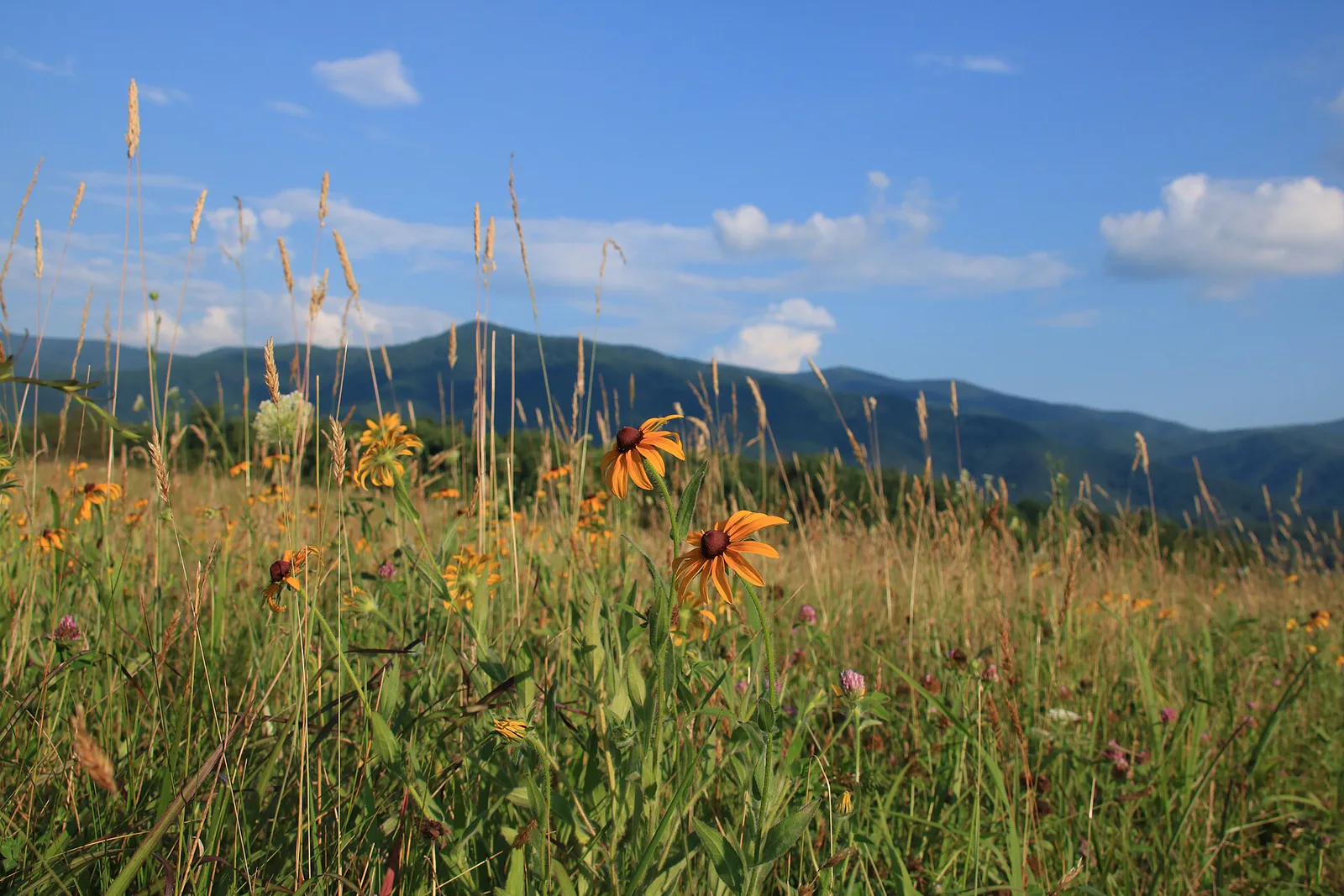
Families raised corn, livestock and household crops on land shaped by soil, water and the need to make nearly everything count. The open fields visitors see today are part of that working story.
Mills and skilled work
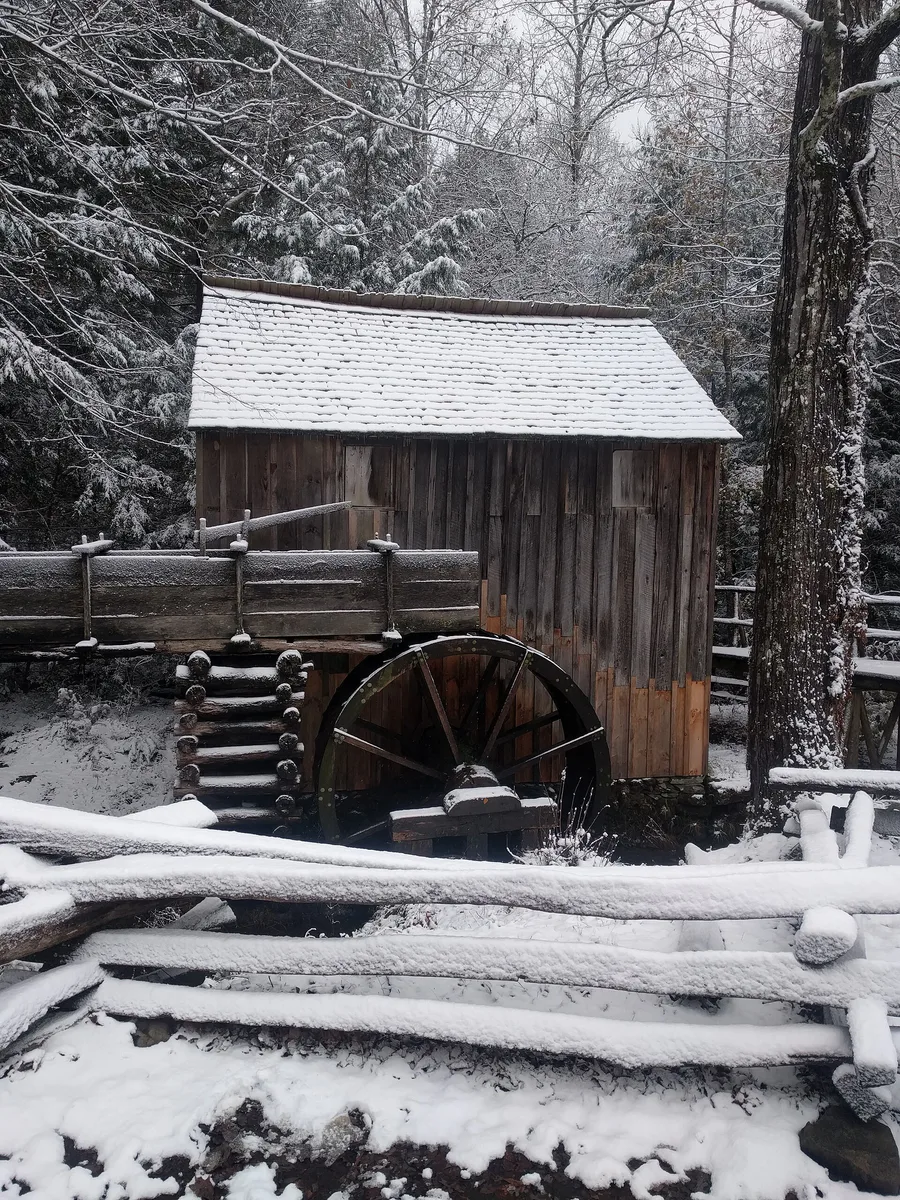
Water-powered mills turned grain into meal and helped transform timber. Cable Mill is the clearest place to see how machinery, buildings and labor fit together.
Churches and schools
Congregations were places of faith, community government and sometimes division. Cemeteries preserve family names and the costs of disease, accident and war more plainly than a list of dates can.
The Civil War in the cove
Distance did not spare this valley
Cades Cove’s residents were predominantly loyal to the Union, while the surrounding region held divided allegiances. Armed raids, reprisals and the killing of Union supporter Russell Gregory left consequences that lasted beyond the war. This is not a side story: it helps explain the churches, cemeteries and family histories visitors encounter along the loop.
See the history in place
Historic stops worth slowing down for
John Oliver Cabin
An early homestead reached by a walk across the field.
Open the visitor guide →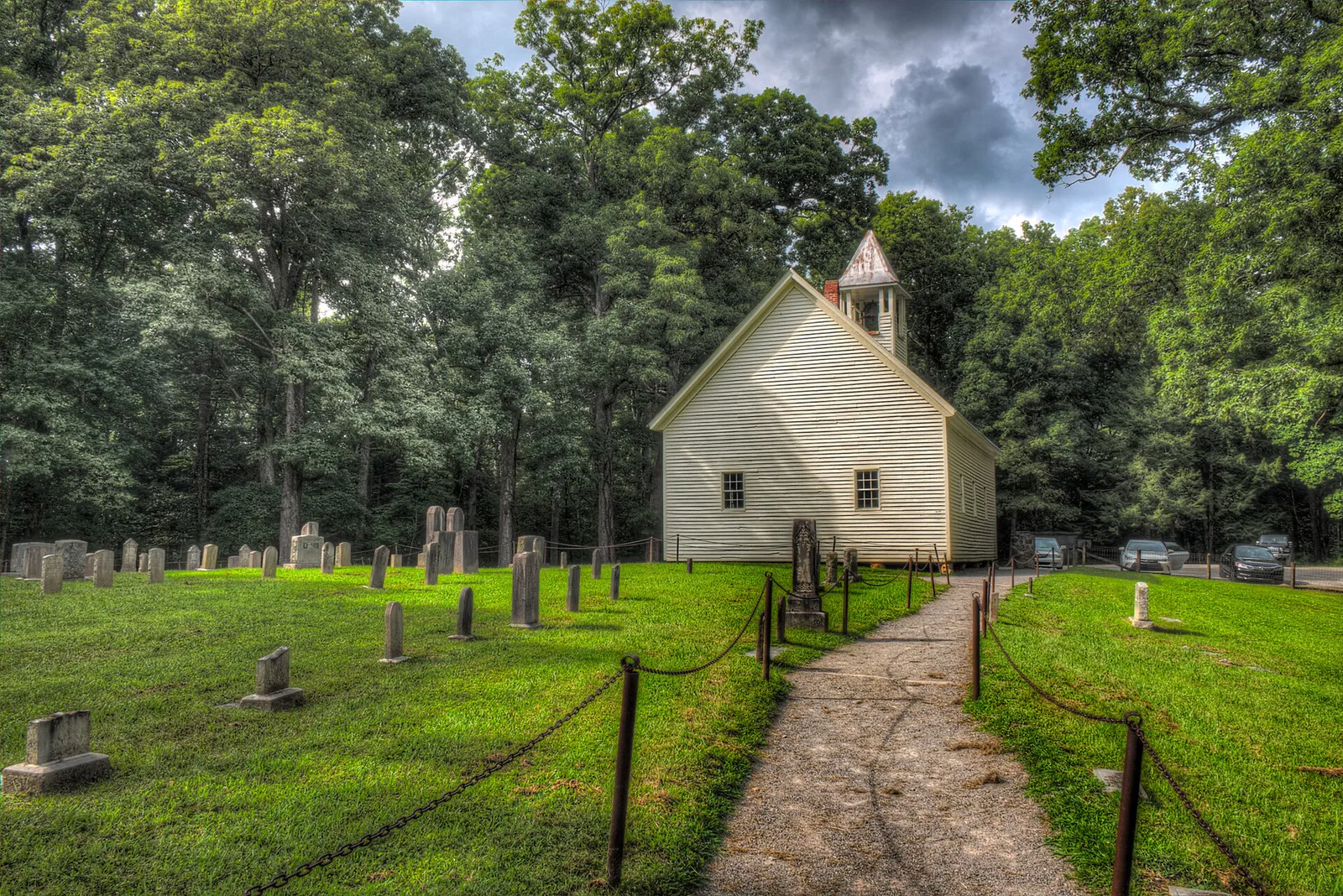
Primitive Baptist Church
A plain church and cemetery tied to the cove’s religious and Civil War history.
Open the visitor guide →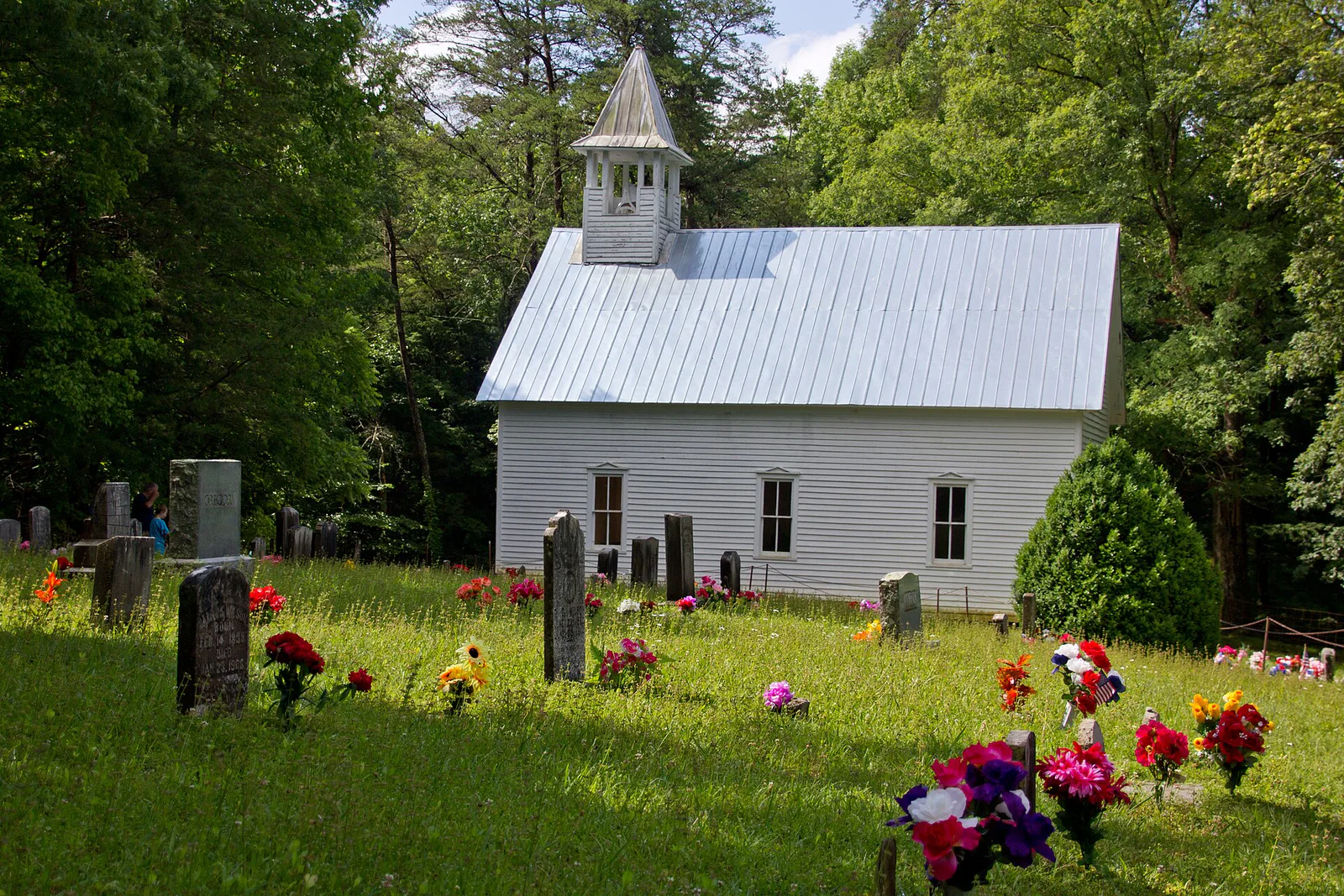
Methodist Church
A frame church whose building and grounds repay a slower look.
Open the visitor guide →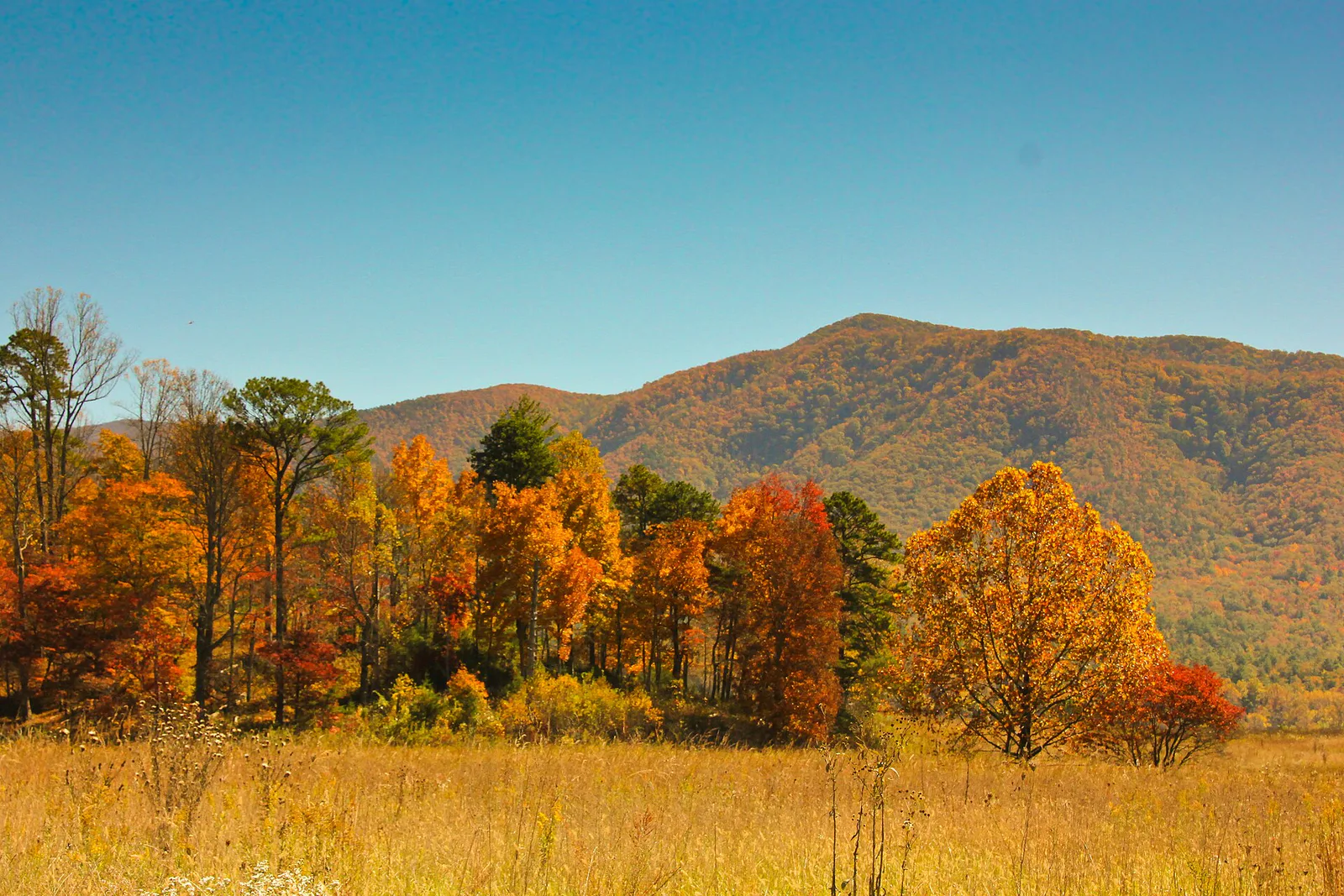
Missionary Baptist Church
The surviving church of a congregation formed after a split in the Baptist community.
Open the visitor guide →Cable Mill
The historic district that best explains the working life of the valley.
Open the visitor guide →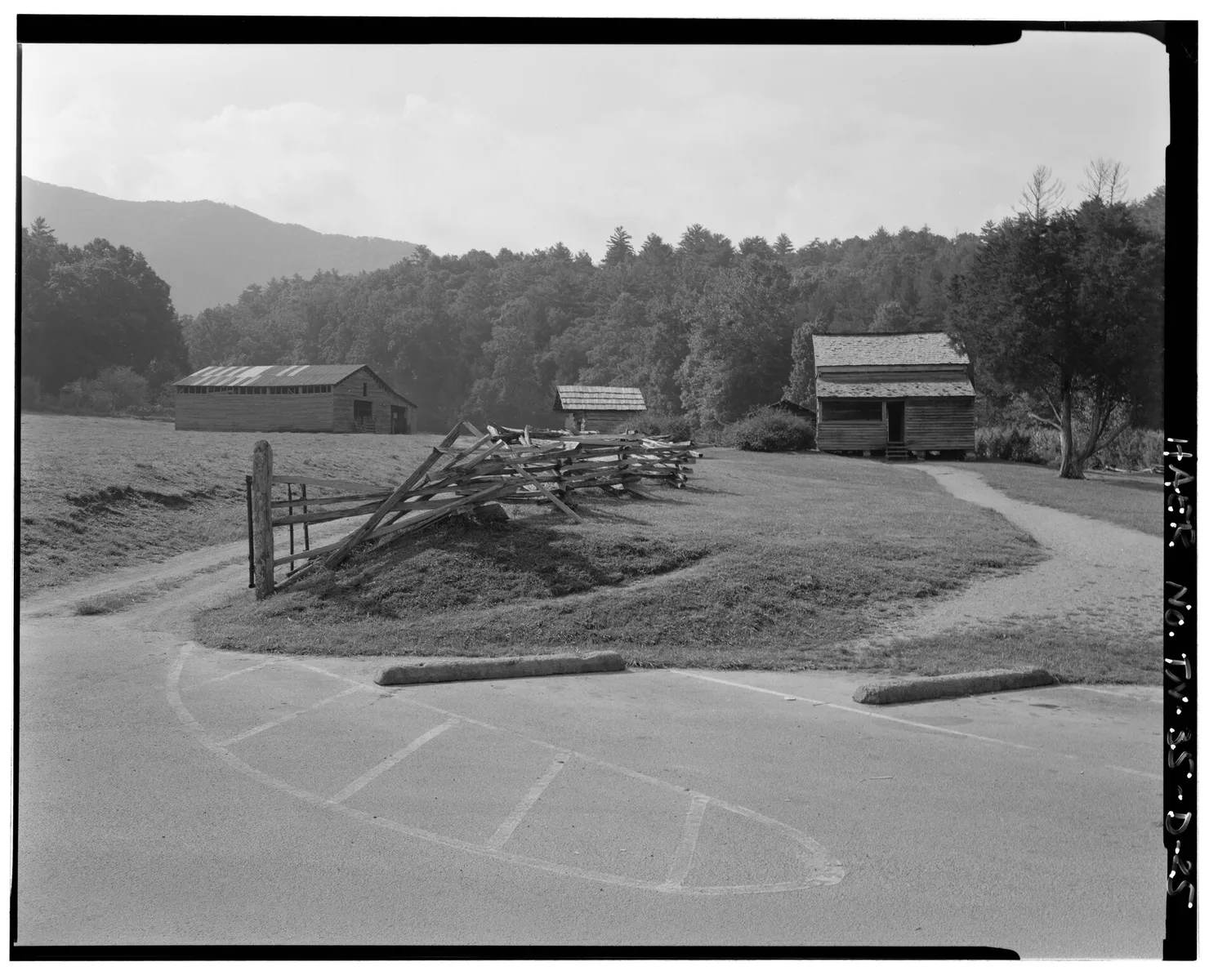
Dan Lawson Place
A more substantial homestead showing how farms and houses changed over time.
Open the visitor guide →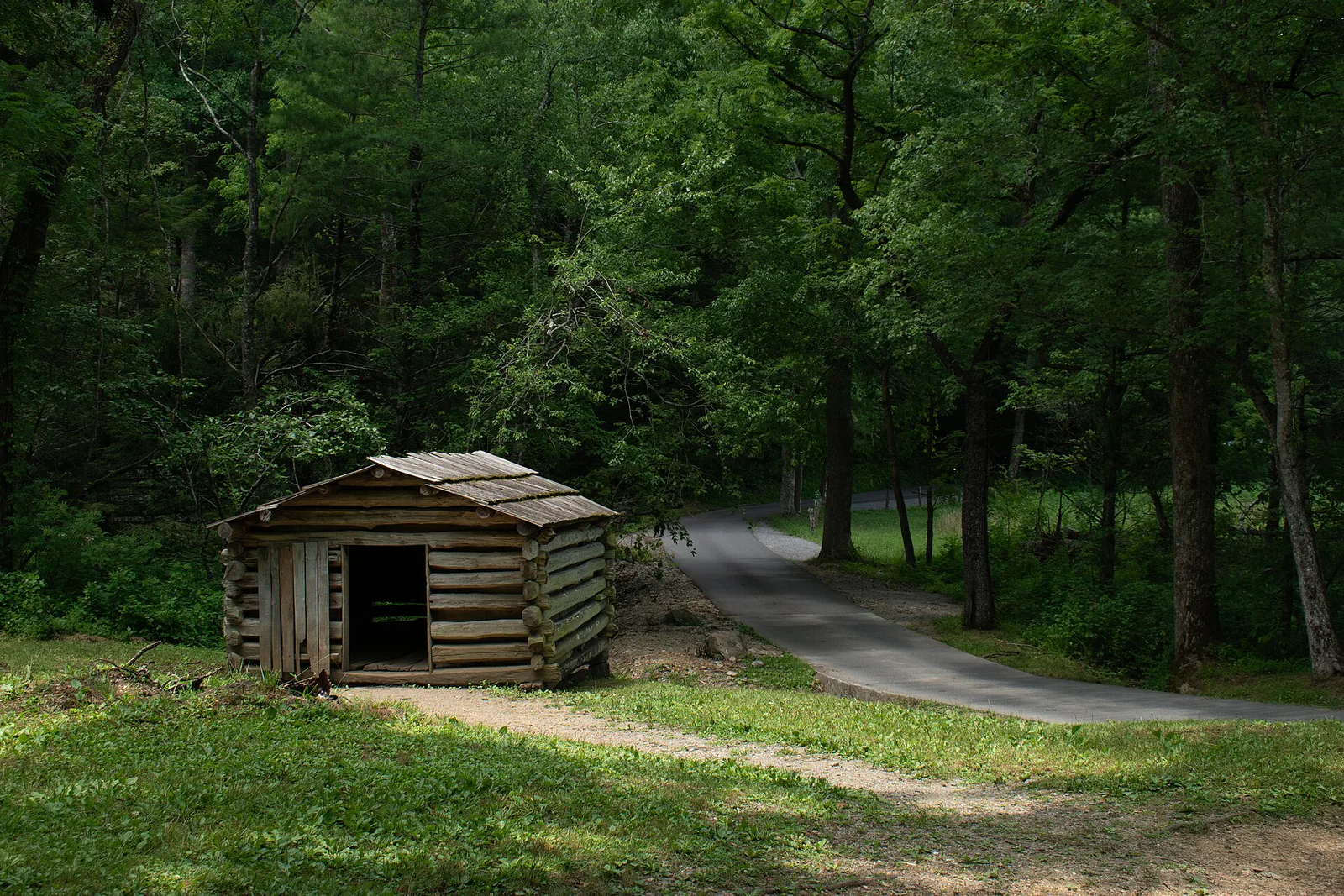
Tipton Place
A house, outbuildings and cantilever barn that make the farm landscape legible.
Open the visitor guide →Read the landscape well
How to visit historic places respectfully
- Do not carve, mark or remove anything from a structure or cemetery.
- Keep children close around fragile buildings, open hearths and uneven floors.
- Photograph inscriptions without rubbing or cleaning old headstones.
- Remember that cemeteries remain family places, not props.
- Use pullouts and marked parking; do not create a new path across a field.
- Pair the buildings with primary-source interpretation whenever possible.